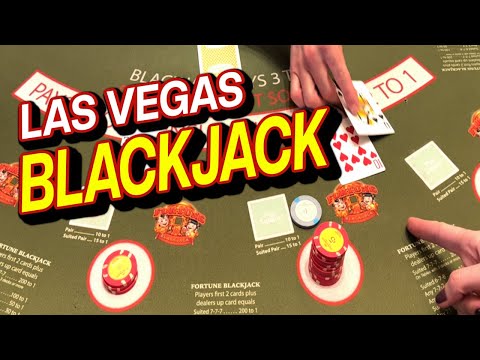
Live casino game shows represent the most dynamic shift in online gambling currently. They blend the tension of traditional table games with the production polish of television entertainment. At slotmastercasino, we have seen this category grow from a niche experiment into a mainstay of the live dealer lobby, and we appreciate why players are drawn to it. Charismatic presenters lead these games from professional studios, streaming in high definition, and the mechanics are built so anyone can grasp them in seconds. Instead of squaring off against a dealer in blackjack or roulette, you typically bet on where a spinning wheel will stop, where a bouncing ball will land, or how high a multiplier ladder will climb. The social side counts just as much. Live chat lets you communicate with hosts and other players in real time. What makes the format stick is the unpredictability built into every round through random multipliers and bonus features that can turn a modest stake into a serious win. We feel that once you comprehend the mechanics, the variety, and the strategic angles, you will approach these games with clearer confidence and realistic expectations.
In what way Live Game Shows Vary From Standard Live Dealer Tables
The core difference is in the gameplay structure and the host’s role. At a standard live blackjack or roulette table, the dealer observes rigid procedural rules and the outcome depends on a card shuffle or a wheel spin with fixed odds. Live game shows turn around that dynamic. A vibrant, often theatrical host stands at the centre of the experience, and their main job is to create suspense and entertain rather than just conduct a game round. The sets mimic television studios, complete with dynamic lighting, sound effects, and multiple camera angles that rotate automatically to catch the action. Another key difference is the betting interface, which is usually a simplified grid of possible outcomes instead of a complex table layout. Rather than putting chips on a roulette mat, you might tap numbered betting spots on a giant vertical wheel. The pace is deliberately varied too. Hosts hesitate to stretch the tension before revealing multipliers or dropping balls, creating a rhythm that feels closer to a prime-time quiz show than a card room.
This format shift also modifies the mathematical model. Traditional table games often carry a relatively low house edge you can determine precisely from the rules. Live game shows regularly weave in random multiplier elements, like a “Double” or “Triple” slice on a wheel, which indicates the return to player percentage can shift from round to round depending on where those multipliers land. The social atmosphere gets a su.se big boost as well. Hosts call out players by username, celebrate wins, and keep up a steady monologue that keeps energy high even through losing spins. On the technical side, these games lean on the same optical character recognition technology that powers standard live tables, but they introduce random number generators in the background to decide multiplier values or bonus round outcomes. This hybrid approach means the visual spectacle of a physical wheel or ball drop is matched with digital randomness, producing the kind of explosive payout moments that static table games simply cannot deliver.
Integrity, Regulation, and Random Number Generation
The integrity of live game shows depends on a twofold system of physical unpredictability and approved digital RNG. The real-world parts you watch on the display, like the spinning wheel or the ball drop, create inherently uncertain results governed by the natural laws, and these outcomes are independently verified by the video streams you watch in real time. The digital elements that calculate multiplier amounts and bonus game results are driven by random number generators that have been examined and approved by certified external agencies such as eCOGRA, iTech Labs, or Gaming Laboratories International. These approvals verify that the programs produce statistically unpredictable and impartial results over extensive simulated cycles. The broadcast studios themselves function under the betting permits issued to the game providers, which are issued by authoritative regulators like the Malta Gaming Authority, the UK Gambling Commission, or the Gibraltar Regulatory Authority. These licences require rigorous standards for game integrity, operator conduct, and player fund segregation.
As a player, you can use various verification methods that enable you to confirm the honesty of each spin. The game interface features a comprehensive help guide that shows the theoretical return to player percentage for each stake type, and some games even present the real-time statistical performance of the game outcome over the last several hundred rounds. The video stream itself is a seamless, raw video that presents the entire round from wagering to final outcome, and any disruption or interference would be clearly apparent to the many participants watching simultaneously. We recommend you to check the licensing information displayed in the footer of the gaming interface, which should include the operator’s permit number and the accreditation badge. If you ever worry about a specific round, the play record is recorded and can be reviewed by the operator and the regulator. This multi-layered approach to fairness means that live casino games face more rigorous real-time scrutiny than many physical casino offerings, and the blend of real-world and software randomness produces a setup that is extremely resistant to interference.
Mobile Gaming and Hardware Needs
Live game shows are engineered to function well across desktops, tablets, and smartphones, and the mobile experience often matches the desktop version in video quality and interface responsiveness. The games stream using HTML5 technology, so you are not required to download a dedicated app or install any plugins. The stream loads directly in your mobile browser. The betting interface adjusts automatically to portrait or landscape orientation, with portrait mode typically stacking the video feed above the betting grid and landscape mode giving a wider view that mimics the desktop layout. We have found that a stable internet connection with a minimum speed of five megabits per second is sufficient for standard definition streams, but high definition playback needs at least ten megabits per second to avoid buffering or audio desynchronization. Mobile data connections on 4G or 5G networks generally handle these streams, but we recommend using a Wi-Fi connection when possible to avoid unforeseen data consumption and potential latency spikes during bonus rounds.
The device requirements are modest by modern standards. Any smartphone introduced within the last five years with at least two gigabytes of RAM should manage the stream without issues. The main performance bottleneck is usually the device’s ability to decode high-definition video efficiently, which can cause older devices to warm up during extended sessions. To enhance your mobile experience, terminate background applications that may consume processing power or bandwidth, and keep your device charged, since live streaming drains the battery faster than static digital games. The audio component matters especially for game shows, because the host’s commentary gives cues about betting windows closing and bonus round triggers. Using headphones or confirming your speaker volume is adequate is necessary. Most platforms, including Slotmaster Casino, provide a low-bandwidth mode that decreases video resolution to focus on audio clarity and interface responsiveness. This can be a game-changer if you are playing somewhere with inconsistent connectivity. The touch targets for betting spots are made large enough for finger input, but we still advise double-checking your bet slip before the timer expires to verify you have placed chips on the intended segments.
The Top Live Game Show Formats on Offer
The live game show landscape has grown fast, but a number of flagship formats now dominate any serious live casino lobby. The money wheel format, made famous by titles like Dream Catcher and Crazy Time, stands as the most popular. These games use a large vertical wheel divided into numbered sections, and you bet on which number the wheel stops at after the host delivers it a hard spin. The ease of picking a number between one and forty makes them wildly accessible, but the random multiplier segments that can boost payouts up to twenty-five times or more are what keep the tension wired tight. Another dominant format is the ball-drop or pachinko-style game. A ball drops from the top of a peg-filled wall and ricochets unpredictably into prize slots at the bottom. Observing the ball’s journey creates a shared moment of anticipation that is unique to this category alone.
Beyond wheels and ball drops, we have witnessed game shows that integrate elements of bingo, card reveals, and even slot machine mechanics inside a live environment. Games like Mega Ball use a ball-drawing machine to produce numbers that land on your digital cards, with multipliers applied to the final ball drawn to provide the chance for massive line completions. Other formats revolve around a grid of hidden prizes, where the host uncovers squares one by one and your goal is to collect matching symbols or avoid busting out. The variety means you can pick a game based on your preferred pace and volatility. Wheel games tend to deliver frequent but smaller wins with occasional multiplier spikes, while card-based or grid-based shows might stretch the gaps between payouts but reward you more substantially when they hit. We recommend trying several formats in demo mode where available to get a sense of the rhythm before committing real funds, because each sub-genre has a distinct emotional cadence that may or may not suit your temperament.
Comprehending Multipliers, Bonus Rounds, and Payoff Structures
The Way Random Multipliers Operate
Random multipliers are the engine powering the excitement in live game shows, and their mechanics hold more nuance than they at first suggest. In a typical money wheel game, the host spins a smaller multiplier wheel or triggers a digital random number generator before the main spin. If the main wheel lands on a specific segment, the multiplier applies to all winning bets on that number. Multiplier values can vary from a modest 2x up to eye-catching figures like 50x or even 500x in some bonus rounds. You need to recognize that these multipliers do not apply to every spin. They are tied to specific segments that appear less often on the wheel. This means the base game pays out at standard odds most of the time, and the multiplier segments act as rare events that dramatically enhance the return when they line up with a winning bet. The probability of hitting a multiplier is transparently linked to the number of multiplier segments on the wheel relative to the total segments, and you can usually locate this information in the game’s help section.
Navigating Bonus Rounds
Bonus rounds represent a complete gameplay shift, moving you from the main studio set to a secondary environment with entirely different rules. These rounds typically trigger when the wheel or ball lands on a designated bonus segment, and they often involve a virtual board game, a shooting gallery, or a coin-flip mechanic. The host guides you through the bonus, which usually unfolds over several interactive stages where you may be asked to make choices, like picking a coloured arrow or selecting a chest, though a random number generator still determines the outcome. The payout potential in bonus rounds sits significantly higher than in the base game, with some rounds capable of delivering wins worth thousands of times your initial bet. However, the frequency of triggering these rounds is low, often around once every twenty to thirty spins, so you should budget your session with that in mind. We advise checking the theoretical return to player percentage for both the base game and the bonus round separately, because some games concentrate a large slice of their overall payout in the bonus feature, making the base game feel leaner during extended play.
Live Presenters and the Social Experience
The host is not a decorative add-on. They are the key element that transforms a mechanical gambling outcome into a communal entertainment experience. Trained live game presenters go through rigorous training in broadcasting skills, game regulations, and responsible gambling protocols, and they work in shifts to sustain energy levels across round-the-clock streaming schedules. Their commentary combines prepared game commentary with improvised reactions to chat comments, and the finest presenters develop a distinctive on-screen persona that loyal players recognize and appreciate. The live chat function is fully integrated into the game platform, allowing you to post messages that the host can read and answer aloud. This builds a feeling of direct connection that automated digital games lack. The social component has tangible value: hosts will regularly mention your win by user name, which contributes a personal touch to the payment, and they foster a community atmosphere by urging players to celebrate each other’s wins.

From a technical perspective, the sound and picture quality of the host broadcast is essential for immersion. Contemporary studios use broadcast-grade cameras and microphones, and the feed is delivered with dynamic bitrate technology that tailors to your network speed to minimize buffering. The host can see a production monitor displaying gaming data, pending bonus events, and a selected feed of chat messages, which enables them to control the tempo and prevent silence. We have found that the most engaging hosts achieve a balance between expertise and approachability, staying away from aggressive persuasion to place higher bets while still generating enthusiasm around potential multiplier outcomes. The social aspect also extends to other players. You can observe the wagers and victories of fellow users in the chat stream, which can provide a sense of group energy. This openness has two sides. Observing others hit large multipliers while you miss out can sting, so staying objective and sticking to your own session goals is sensible.
How to Place Bets and Manage Your Session
Betting in live game shows employs a streamlined process built for the format’s fast pace. When you join a game, a betting grid appears over the live video feed, with clearly marked segments corresponding to the possible outcomes, like numbers on a wheel or prize slots on a pachinko wall. You select your chip value from a range of denominations, then tap or click the desired betting spots to set your wager. The interface usually shows your total bet amount and potential payout in real time as you place or remove chips. A countdown timer, normally between ten and fifteen seconds, shows you how long you get to finalize your bets before the round begins. We highly recommend placing your bets early in the betting window to avoid the last-second rush that can lead to misclicks, especially on mobile devices where screen space is tighter. Most games also offer a “re-bet” or “double bet” button that copies your previous round’s wagers instantly. It is a handy tool, but apply it with caution.
Session management in live game shows demands a different approach than traditional table games because of the variable volatility. The base game may hand out frequent small wins that trick you into a sense of steady returns, only for a long dry spell to set in while you look for a multiplier or bonus trigger. We advise setting a clear loss limit and a win goal before you start, and allocating your bankroll into units that fit a single round’s total bet. For example, if you possess a budget of two hundred units, you might choose that each round will cost between one and five units, giving you a minimum of forty rounds of play. Pay close attention to the game’s history board, which presents recent outcomes, but do not fall into the gambler’s fallacy of believing a bonus round is “due” because it has not surfaced for a while. Each round is an independent event, and the random number generator has no memory of previous results. Taking regular breaks and stepping away from the screen after a significant win or loss helps maintain perspective and prevents impulsive decisions driven by the fast-moving visual spectacle.
Picking a Real-time Game Show That Suits Your Style
Picking the correct game show from an expanding catalogue asks for an honest look at your own likes around speed, risk, and involvement. If you prefer a easygoing tempo with common small wins and the periodic multiplier spike, a standard money wheel game with a basic number grid is most likely your best beginning point. These games have short round cycles of around 45 seconds, and the betting options keep simple enough that you can keep up with the action without continually checking rule sheets. If you lean toward higher volatility and are prepared to sit through longer dry spells for a shot at a bonus round with massive potential, seek out games that include multiple bonus triggers and tiered progressive elements. The paytable and theoretical return details, typically accessible via an “i” or “help” icon on the game screen, will provide you a clear picture of how the payout is distributed. A game that returns 95 percent of wagers but focuses twenty percent of that return in a uncommon bonus round will appear very distinct from a game that offers the same percentage more evenly across base game outcomes.

Your chosen level of host interaction should also steer your selection. Some game shows include hosts who connect heavily with the chat, crack jokes, and create a party atmosphere, while others adopt a more professional, measured delivery that concentrates on the game mechanics. Watching a few rounds without betting is a great way to evaluate the host’s style and the general energy of the player community before you dedicate funds. The graphic and auditory design also matters more than many players originally understand. Games with intense, rapidly flashing lights and steady sound effects can become overstimulating during longer sessions, while more subdued designs may appear less exciting but enable you concentrate better. We suggest building a shortlist of two or three games that fit your criteria and switching between them to stop the fatigue that can creep in from repetitive visual and audio cues. The goal is to locate a game where the blend of mechanics, host personality, and production design produces an experience you deem genuinely enjoyable, not just a vehicle for placing bets.
Frequently Asked Questions
What is the smallest wager allowed on a live game show?
The smallest wager depends on the game and provider, though most live game shows allow bets beginning at ten or twenty cents per round. Some premium tables with higher production costs may have minimums of one dollar aftonbladet.se or more. The betting interface clearly displays the minimum and maximum limits for each betting spot before you place chips. We advise reviewing the table limits shown in the lobby prior to entering a game, since they may shift depending on busy periods and studio availability.
Are live game show outcomes truly random and fair?
Yes, outcomes are generated through a combination of physical processes, such as wheel spins and ball drops, and certified digital random number generators for multipliers and bonus features. Independent testing agencies like eCOGRA and iTech Labs audit these systems regularly to confirm statistical randomness. The live video feed is unedited and broadcast in real time, so any manipulation would be immediately visible. Game providers work under stringent gambling licenses that demand openness and fairness in all game results.
Is it possible to play live game shows on my mobile phone without installing an app?
Absolutely. Modern live game shows are developed with HTML5 technology that runs directly in your mobile browser, whether you use an iPhone, Android device, or tablet. No app download or plugin installation is required. The interface conforms to your screen size and orientation automatically. A stable internet connection with at least five to ten megabits per second is recommended for smooth high-definition streaming, and using Wi-Fi helps avoid mobile data overage charges during longer sessions.
In what way do bonus rounds trigger in live game shows?
Bonus rounds are activated when the main game outcome lands on a specific bonus segment, such as a marked slice on a money wheel or a designated slot on a pachinko wall. The probability of triggering a bonus is calculated by the number of bonus segments relative to the total segments on the wheel or board. Once triggered, the host directs you into a secondary game environment where a separate random number generator determines the bonus outcome, which can entail picking objects, spinning a secondary wheel, or navigating a virtual board.
What’s the typical return to player percentage for these games?
Payout percentages for live game show offerings generally fall between 94% and 97 percent, though the precise number changes by game and by the particular wager you pick. The expected return is always shown in the game’s help or details section. Some betting options may have a greater house advantage than others within the same game. We suggest examining the paytable carefully, as the stated payout often assumes optimal bet distribution across all offered options.
Can a strategy that can improve my probability in live game show titles?
Live game shows are chance-based games, and no wagering strategy can affect the underlying probabilities or overcome the casino advantage in the long term. However, you can select smartly by selecting wagering choices with the best expected payout and steering clear of supplementary bets with substantially lower payout percentages. Sound fund management, such as defining stop-loss limits and time limits, is the most practical strategy for staying in control. The fun factor should be your top priority, with any winnings viewed as a bonus.
Leave a Reply